
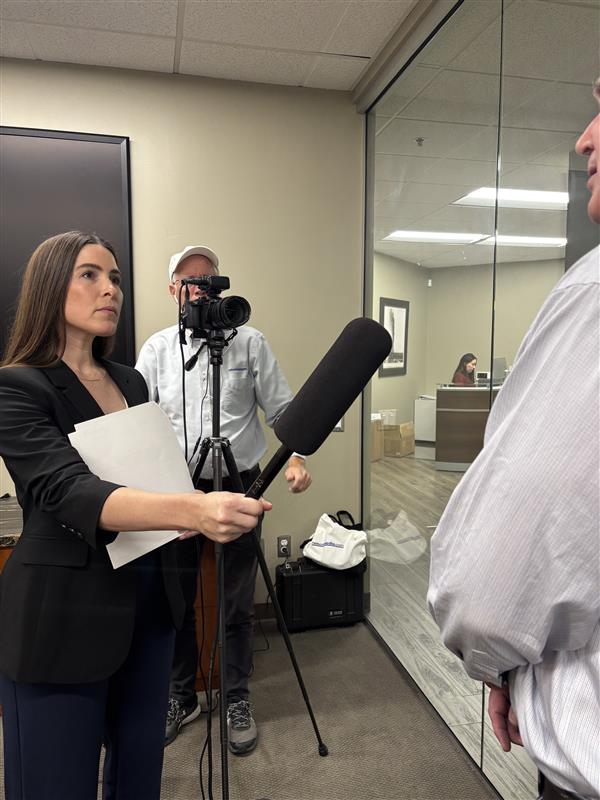
In today’s fast-moving media landscape, having the right person speak on behalf of your organization can make all the difference. Whether they’re addressing a crisis, announcing a new initiative, or responding to tricky questions, how they deliver their message is key. That’s where media training comes in, it helps spokespersons hone their skills to convey their message confidently, no matter the situation.
Anya Goosev, Director of Communications and Client Services, gives her tips below on how to remain calm and answer media questions with ease.
First Impressions Matter—A Lot
Think about it: when someone steps before a camera or microphone, the audience instantly forms a first impression. That impression sticks if the speaker is nervous, scattered, or fumbling with their words. Media training helps spokespersons develop the poise and confidence to make those first few seconds count. With practice, they learn to project credibility from the start, making it easier for the audience to connect and trust them.
Staying Focused and On-Message
In any media interaction, things can go off the rails quickly. One moment, you’re talking about a new initiative; the next, you’re fielding unexpected questions. This is where media training proves its worth: It teaches spokespersons how to stay laser-focused on crucial messages, no matter what curveballs come their way. Techniques like “bridging” are beneficial—they allow the spokesperson to steer the conversation back on track without sounding evasive. It’s all about getting your main points across, even when the discussion goes in unexpected directions.
Navigating Tough Questions
Nobody enjoys tough questions, but they’re part of the job when speaking to the media. With the proper training, spokespersons can handle challenging inquiries without losing conversation control. Through practice scenarios and real-time feedback, media training prepares them to think on their feet, respond strategically, and avoid getting flustered. The more prepared they are, the less likely they will say something they’ll regret later.
Tracy Leach, Providence CEO, provides recommendations below on how to effectively deliver messages to media partners and why these connections are so important.
It’s Not Just About Words—It’s How You Say Them
Communication isn’t just about what you say but also how you say it. Body language, tone, and facial expressions all play a significant role in how a message is received. Media training helps spokespersons fine-tune these non-verbal cues. They learn to maintain an open and confident posture, avoid defensive gestures, and use a tone that conveys authority without sounding too stiff. The overall impact is much more substantial when these elements coincide with the message.
Building Trust With Your Audience
Trust is everything in communication. For spokespersons, the goal is to come across as credible and relatable. Media training helps them find that sweet spot between professionalism and approachability. It’s not just about delivering information—it’s about making a genuine connection with the audience. When people feel like they’re hearing from someone trustworthy and authentic, they’re much more likely to engage with the message.
Keeping Calm Under Pressure
Live interviews and press conferences can be unpredictable, and it’s easy to get thrown off by a tricky question or unexpected turn in the conversation. Media training equips spokespersons with strategies to stay calm under pressure. Whether learning to control their breathing or knowing how to buy a moment to gather their thoughts, these techniques help them maintain composure in high-stress situations. When a spokesperson stays calm, it signals confidence and control, which helps reinforce the message.
Making the Most of Media Opportunities
Media training isn’t just about damage control—it’s also about seizing positive opportunities. Whether a spokesperson promotes a new product or highlights a community initiative, they must know how to make their message stick. By tailoring their approach to different media formats—like TV, radio, or online content—they can maximize the impact of their communication and reach a wider audience.
Wrapping It Up: Media Training Is Worth the Investment
In a world where public perception can shift in a heartbeat, having a well-prepared and confident spokesperson is crucial. Media training provides the skills needed to deliver messages clearly, maintain credibility, and build trust with audiences. It’s a smart investment for any organization looking to enhance its communication strategy and ensure its voice is heard, no matter the circumstances.
Providence offers tailored media training programs that prepare your spokespersons for whatever comes their way. Whether it’s a routine interview or a high stakes press conference, we ensure that our clients are ready to communicate clearly and confidently.


